
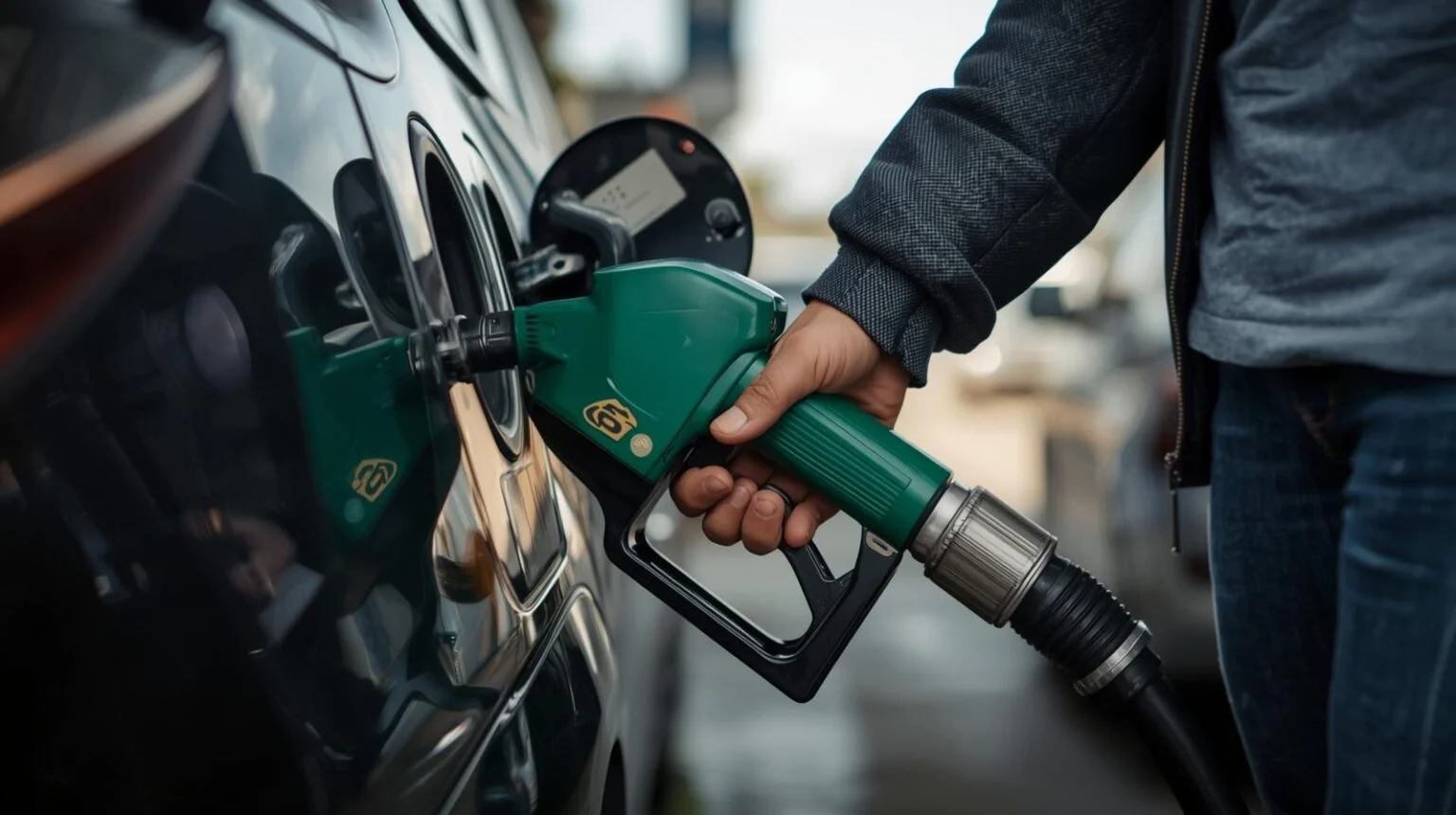
Durban, South Africa — After a painful December that saw diesel prices soar by up to 82 cents per liter and petrol climb 29 cents, South African motorists are finally catching a break.
But knowing exactly when to fill your tank could mean the difference between paying December’s inflated rates and enjoying January’s projected relief.
The Critical Date: Wednesday, January 7, 2026
Mark your calendars. The Department of Mineral Resources and Energy (DMRE) adjusts fuel prices on the first Wednesday of each month, which falls on January 7, 2026.
This means the new, lower prices will take effect at midnight on Tuesday, January 6 going into Wednesday, January 7.
Your Fill-Up Strategy
If you can wait, wait. Any fuel purchased before midnight on January 6 will cost you December’s elevated prices. But fill up on or after January 7, and you’ll benefit from what could be the most significant fuel price relief since 2021.
Current projections from the Central Energy Fund indicate:
- Diesel: A dramatic drop of 88-102 cents per liter (nearly R1.00!)
- Petrol 93: A decrease of 10-15 cents per liter
- Petrol 95: A decrease of 12-17 cents per liter
- Illuminating paraffin: A drop of 63-69 cents per liter
For a typical family vehicle with a 60-liter tank, waiting until January 7 to fill up could save you between R6 and R10.20 for petrol, or a whopping R52.80 to R61.20 for diesel users.
Why January 7, Not January 1?
Many motorists assume fuel prices change at the start of each month, but South Africa’s system works differently.
The DMRE specifically adjusts prices on the first Wednesday of the month, not the first day. This scheduling gives the Central Energy Fund time to finalize calculations based on the full previous month’s data on rand/dollar exchange rates and international oil prices.
This timing quirk works in motorists’ favor for January 2026, creating a full week buffer period where savvy drivers can plan their fueling strategy.
The Numbers Behind January’s Relief
What’s driving this unexpected good news? Two powerful economic factors are converging in South Africa’s favor:
1. Falling International Oil Prices
Brent crude oil has dropped to approximately $59.97 per barrel, with the International Energy Agency forecasting a record oil production surplus in 2026. The rand oil price now sits at its lowest level since September 2021, creating ideal conditions for pump price relief.
2. A Strengthening Rand
The South African rand has gained over 9% against the US dollar in 2025, currently trading around R16.79 to the dollar. This currency strength amplifies the benefit of falling oil prices, as South Africa imports most of its refined fuel in dollars.
According to Izak Odendaal, chief investment strategist at Old Mutual’s Symmetry, the rand oil price is now 20% lower than it was a year ago.
The Diesel Divergence Mystery
Perhaps the most striking feature of January’s adjustment is the massive gap between diesel and petrol relief. While petrol drops modestly by 10-17 cents, diesel plummets by nearly a full rand per liter.
This divergence stems from international product pricing dynamics. Diesel prices spiked dramatically relative to petrol in October and November, creating the harsh December increases.
Now, as these prices return to parity with petrol globally, South African diesel users are experiencing a sharp correction.
For the country’s transport sector, small businesses, farmers, and long-distance commuters who rely on diesel, this represents not just relief but a financial lifeline. After absorbing December’s painful 65-82 cent increases, the January correction could restore some operational breathing room.
Timing Tips for Maximum Savings
For Petrol Users:
- Avoid filling up in the first week of January if your tank isn’t critical
- Plan your fill-up for January 7 or later
- Consider making your last December fill-up stretch as far as possible
For Diesel Users:
- The savings are substantial enough to justify waiting even if slightly inconvenient
- A single 60-liter tank fill on January 7 versus January 6 saves approximately R55-60
- Fleet managers should coordinate fill-ups to occur after the adjustment
For Families:
- If traveling during the New Year period, consider filling up on your return journey after January 7 rather than before departure
- Back-to-school costs hit in January, so every rand saved at the pump helps with school fees and supplies
The CEF Daily Tracker: Your Secret Weapon
Sophisticated motorists monitor the Central Energy Fund’s daily basic fuel price data throughout the month.
Available on the CEF Group website, this tool publishes daily over-recovery and under-recovery figures that predict upcoming adjustments.
The key metric to watch is “Average unit over/(under) recovery.” As you get closer to the first Wednesday of the month, this figure becomes increasingly accurate.
While the final announcement typically comes the Monday before the Wednesday adjustment, the daily tracker lets you anticipate changes weeks in advance.
For January 2026, the tracker shifted dramatically during December. Early predictions forecasted a 26-cent petrol increase and only a 25-30 cent diesel decrease. By mid-December, those projections had reversed entirely, showing relief across all fuel types.
What About the Holiday Travel Season?
January 7 falls right in the middle of South Africa’s summer holiday period when many families are returning from coastal destinations or preparing for the back-to-school rush. This timing could complicate fill-up strategies.
If you’re planning holiday travel:
- Traveling before January 7: Fill up before leaving if necessary, but consider topping up gradually rather than filling completely
- Returning after January 7: Empty your tank as much as safety allows before the new year, then fill up on your return journey
- Traveling during the first week of January: Plan your route so your major refueling happens after January 7
The One-Third Tax Reality
Even with January’s relief, it’s important to understand that approximately one-third of what you pay at the pump consists of government levies that never change regardless of oil prices. These include:
- General Fuel Levy (GFL)
- Road Accident Fund (RAF) levy
- Various regulatory margins
This tax structure means that even when international oil prices crash, South African motorists don’t see proportional relief. The January decreases, while welcome, are dampened by these fixed costs.
Looking Beyond January
While January brings relief, fuel price forecasting remains uncertain. The projections can shift significantly based on:
- Rand/dollar exchange rate fluctuations
- Global oil market volatility
- Geopolitical tensions affecting supply
- OPEC+ production decisions
The CEF’s early December predictions were dramatically different from mid-December forecasts, illustrating how quickly conditions can change. Motorists should continue monitoring the daily tracker for February and beyond.
With the IEA projecting continued oil surplus through 2026, there’s cautious optimism for sustained relief, but South Africa’s fuel prices have proven notoriously difficult to predict.
The Bottom Line
For South African motorists, January 7, 2026, represents a clear strategic opportunity. Whether you save R10 on a petrol fill-up or R60 on diesel, waiting until after the official adjustment maximizes your savings.
In a country where fuel costs impact everything from food prices to transportation expenses, every cent counts. The six-day gap between New Year’s Day and the official price change gives smart consumers a window to plan, and in January 2026, patience literally pays at the pump.
Fuel price projections are based on Central Energy Fund data as of mid-December 2025 and may change before the official announcement. Final prices will be confirmed by the Department of Mineral Resources and Energy in late December.