- Mon-Sun : 9.00 AM - 5.00 PM

Category: Industry trends
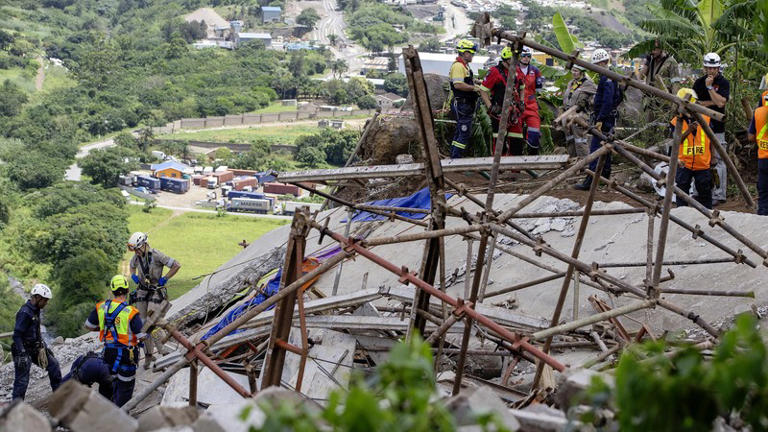
South Africa’s construction sector faces its deadly reality of non-compliance
In South Africa, the sound of construction often betrays an underlying chaos — a landscape marred by tragic building fails, such as the George and Ormonde collapses in 2024 and 2026. While such incidents are commonly attributed to engineering misjudgments or outright safety violations, a troubling pattern underscores these calamities: the persistent challenges of weak oversight, fragmented accountability, and a severe lack of visibility regarding who is on-site. “Building collapses are often framed as engineering or safety failures,” says Danie Hattingh, spokesperson for the Building Industry Bargaining Council (BIBC). “But we repeatedly see a breakdown in labour compliance and site control.”
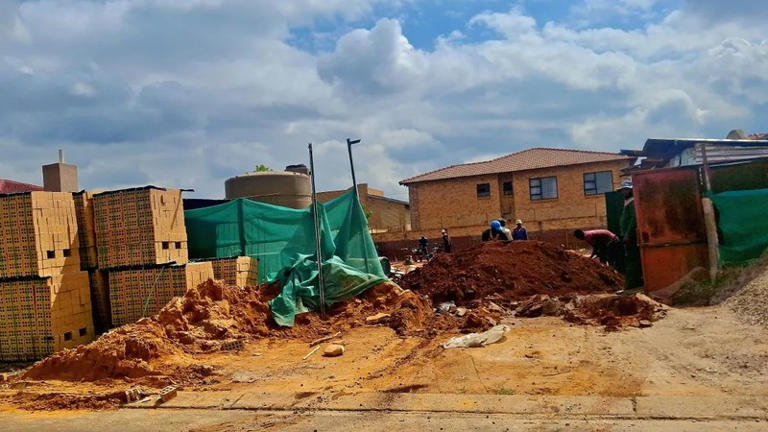
Government blacklists 52 construction companies for poor performance
Minister of Public Works and Infrastructure Dean Macpherson has revealed that the government has now blacklisted 52 companies across the country over poor performance. In a post on X (formerly Twitter), the minister said the Construction Industry Development Board (CIDB) has barred 12 of these contractors since the start of 2026 alone. “The Construction Industry Development Board has blacklisted a further 12 contractors since the start of 2026 for non-performance. This brings the total to 52 contractors who have been barred from doing business with the State,” Macpherson said. Macpherson said that between 2002 and 2024, only two contractors were blacklisted, calling the new action a sign that the
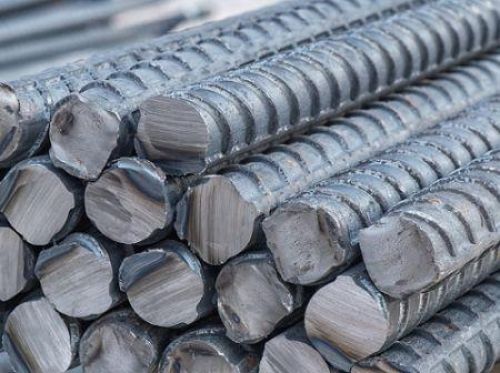
South Africa Imposes Anti-Dumping Duties on Construction Steel From China, Thailand
South Africa has imposed anti-dumping duties on construction steel from China and Thailand to protect its domestic steel industry, the government said on Thursday, March 19. Steel imports from China will now face a duty of 74.98%, while similar steel products from Thailand will be subject to a 20.32% levy. In 2024, Africa’s most industrialised nation imposed provisional anti-dumping duties of 52.81% and 9.12% on construction steel imports from China and Thailand, respectively. The International Trade Administration Commission of South Africa (ITAC) also opened an investigation into alleged dumping, following a 19-fold increase in imports from the two countries during
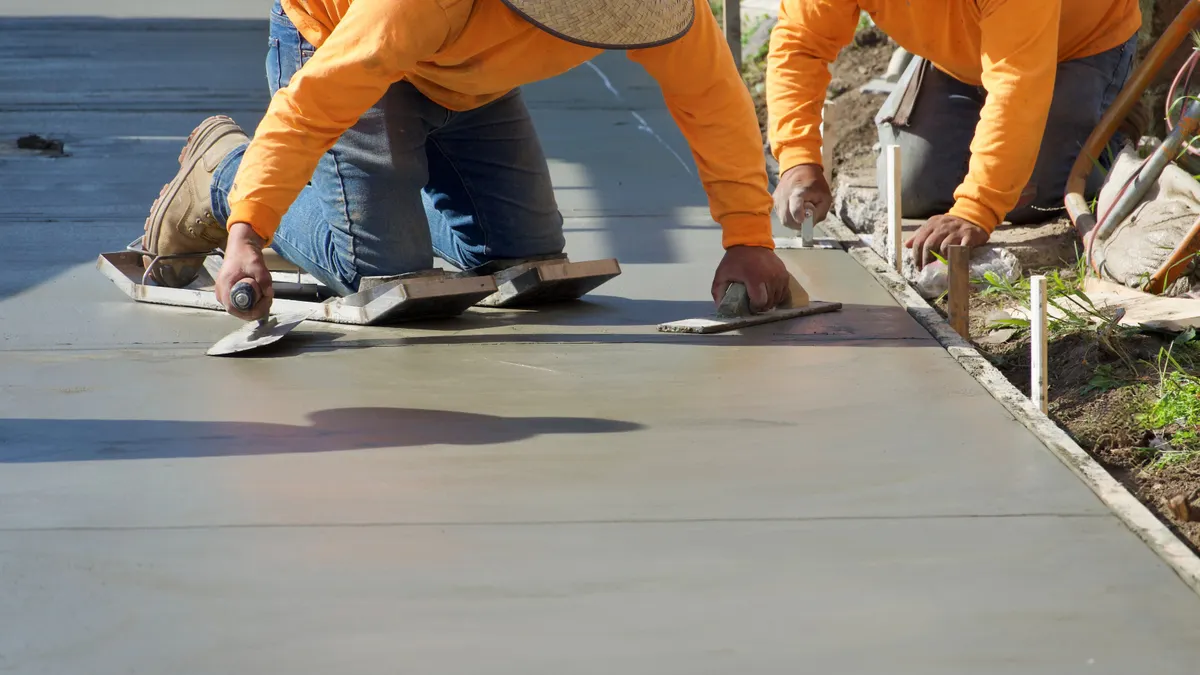
Startup aims to get construction firms paid faster
The quest for speedier payment bedevils many businesses but those in the construction trades might suffer even longer lags. Their invoicing and accounts receivable systems are critical – but many older financial platforms used in building trades don’t provide for modern payment and accounting options, according to Payra, a software startup that automates accounts receivable operations. Payra’s software integrates with most enterprise resource planning (ERP) platforms that are designed to help “blue collar” industrial companies modernize their cash collection functions. Last month, Payra announced a $15 million investment from Edison Partners, an investment firm, to help speed its growth. While that’s the first and
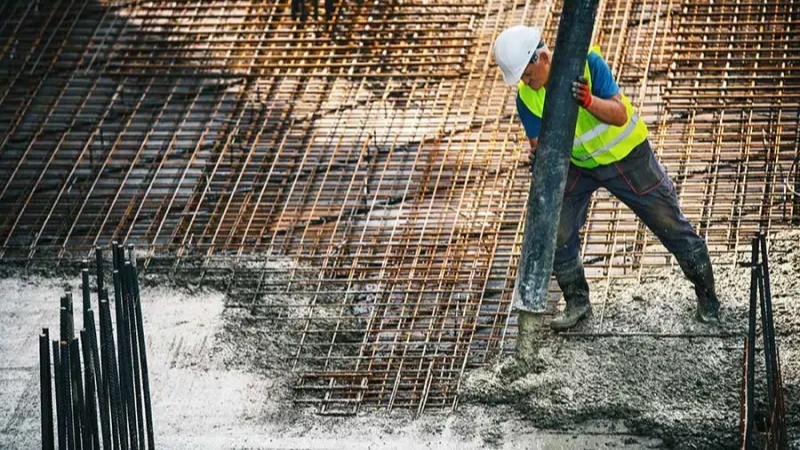
Amid market transformation, novel low-carbon solutions continue to shape construction industry
Hello, and welcome 👋 to the second edition of Concrete Change. The cement industry is stuck between a rock and a hard place. As the cement industry continues to evolve, the pressure to decarbonize is intensifying. Yet recent market tumult triggered by tariffs and an overall slowdown in volumes has caused chaos for businesses. Meanwhile, there’s a breadth of innovative projects that demonstrate how new market entrants are not only shaking up the cement industry, but securing investments to drive change. Keep reading to get my take on some novel solutions at play in the U.S. that could shake up
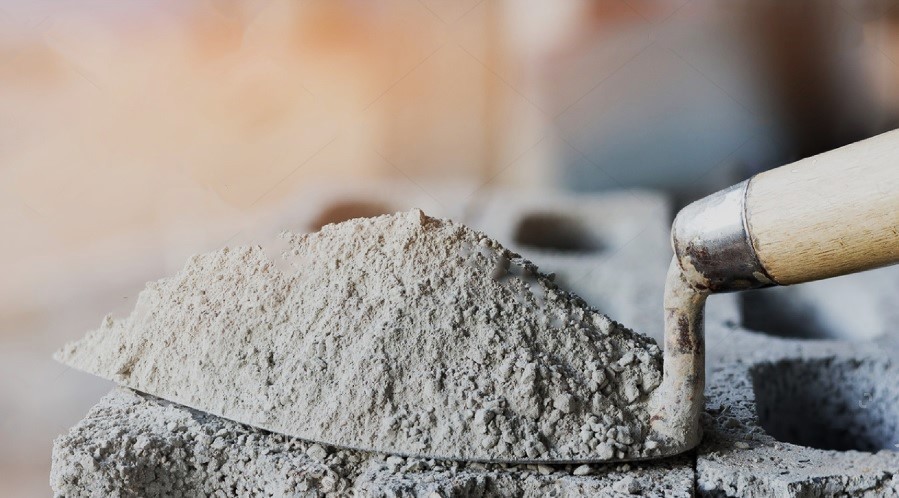
The Cement Industry
Building the Foundations of Our World with Environmental Challenges Introduction: Cement, a fundamental construction material, has played a pivotal role in shaping structures worldwide for almost 2,000 years. Tracing its roots back to ancient Rome and Greece, where lime, volcanic ash, and water were combined to create a binding agent, cement has evolved significantly. Today, it remains a key player in the construction industry, with a complex production process and far-reaching environmental implications. Production Process The modern production of cement involves a meticulous process, incorporating raw materials such as lime, silica, alumina, and various minerals. These ingredients undergo grinding, mixing,
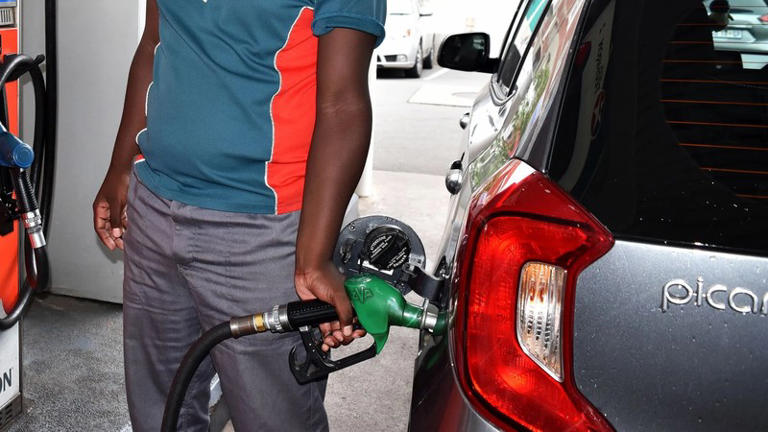
R6 diesel hike now on the cards: Latest fuel price prediction for April
Soaring international oil prices in the wake of the US and Israeli war on Iran mean South Africans are likely to be hit with record fuel price increases at the beginning of April. The latest daily update from the Central Energy Fund (CEF) is showing significant under-recoveries for both fuel types, with 95 Unleaded petrol projected to increase by R3.52 per litre and 50ppm diesel by around R6.02. , These predictions are based on the month-average, which is a “moving target” at present given the volatility in international oil markets. Should oil prices remain at elevated levels, South Africans could be looking
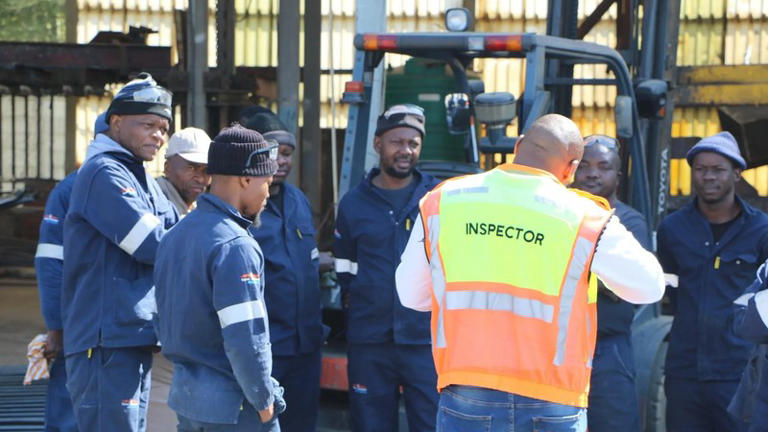
Minister Meth reveals R10bn cost for hiring 10,000 new labour inspectors
The announcement by President Cyril Ramaphosa during the State of the Nation Address last month to appoint 10,000 additional labour inspectors comes with substantial financial implications. The estimated total cost for these inspectors is approximately R3.7 billion per year, translating to an estimated R10bn over the medium-term expenditure framework (MTEF). This came to light after the MK Party’s Adil Nchabeleng submitted a parliamentary question to the Department of Employment and Labour (DEL) minister Nomakhosazana Meth about the planned expansion of the inspectorate. He questioned the evidence supporting the expansion as an enforcement solution versus potential inefficiency, its full MTEF cost and funding,
Budget 2026 | How government plans to spend R1.07 trillion to meet its big infrastructure goals
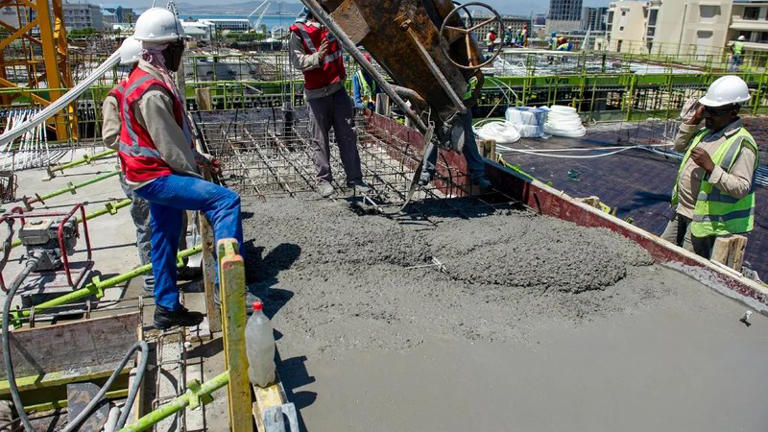
The National Treasury has announced that R1.07 trillion is expected to be spent over the next three years, actualising the country’s big infrastructure goals. Delivering his 2026 State of the Nation Address (SONA), President Cyril Ramaphosa had characterised the allocation – the largest in the country’s history – as more than just brick and mortar. Calling it a “transformative” investment aimed at reversing years of declining fixed investment and stagnant growth. “Through the Infrastructure Fund and new regulations for public-private partnerships, we are using innovative funding models, reducing risk and attracting investors to fast-track projects in energy, water, transport and digital infrastructure,”
Lesufi announces R760m upgrade to fix Joburg water crisis
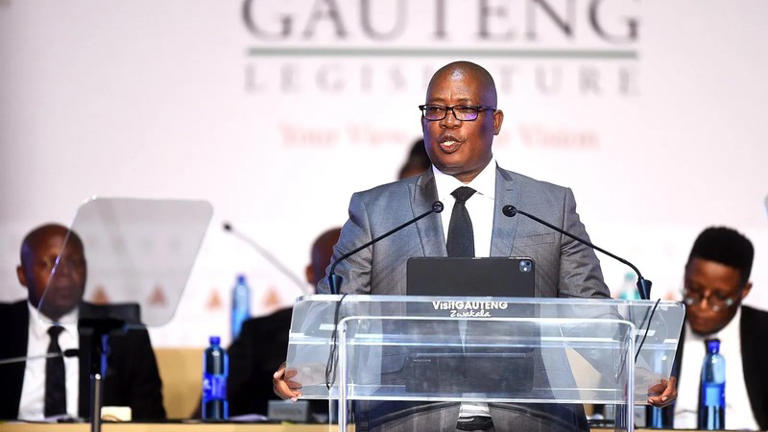
Gauteng Premier Panyaza Lesufi has blamed infrastructure failures, leaks and high-demand peaks for the water shortage crisis in Gauteng, and has announced a R760 million infrastructure upgrade in the City of Johannesburg, which has been hard hit by outages. Lesufi made the remarks during his State of the Province Address (SOPA) at the Nasrec Expo Centre in Johannesburg on Monday night. Service delivery across the province remains under strain, with many townships and informal settlements grappling with water shortages, recurring power outages, crime and deteriorating roads. Parts of Johannesburg have been without water for days, affecting residents and forcing small businesses to