- Mon-Sun : 9.00 AM - 5.00 PM

Category: Uncategorized
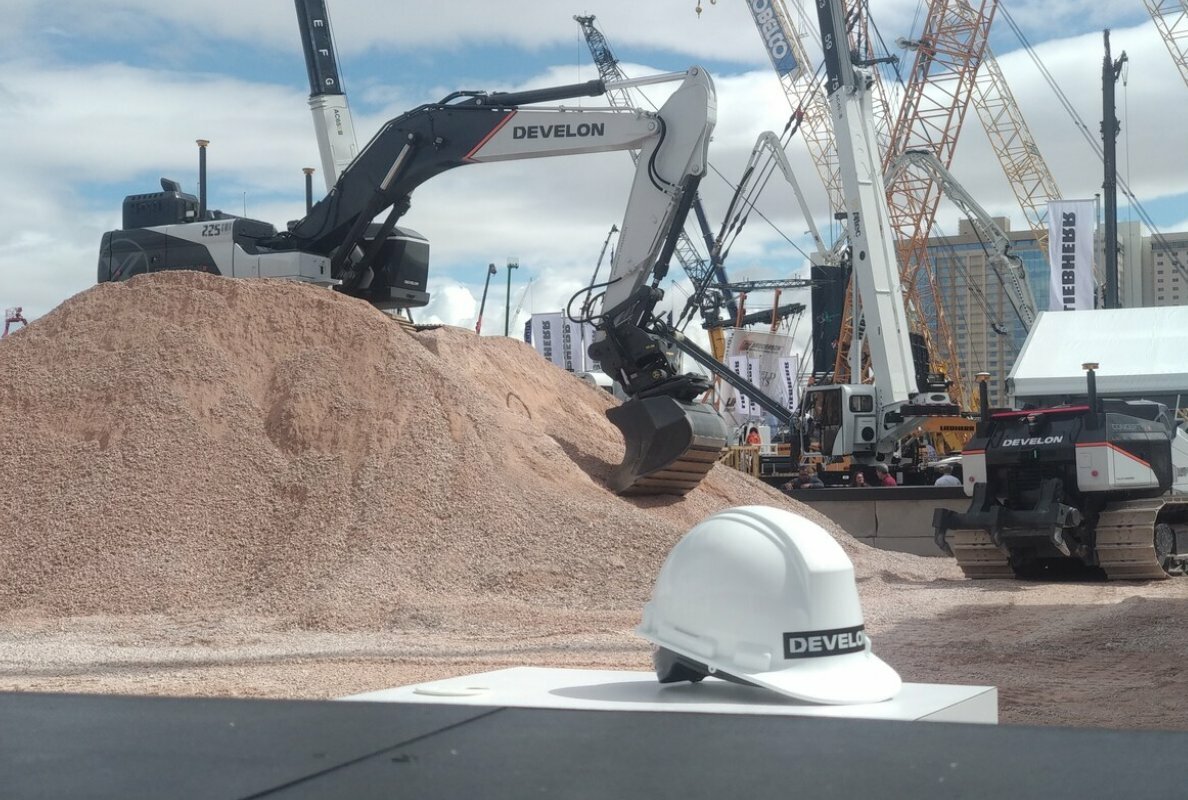
Mark Your Calendar: 10 Industry Events Shaping 2026
As innovation accelerates across construction, logistics, agriculture, and transportation sectors, 2026 is shaping up to be a landmark year packed with must-attend industry events. These trade fairs are not just showcases — but rather places where the latest machines meet intelligent technology, where global players connect, and where future trends take center stage. Whether you’re a seasoned professional or a newcomer eager to tap into industry insights, these 10 events will help you stay ahead of the curve. Listed in chronological order, here’s where you need to be in 2026: 1) CONEXPO-CON/AGG 2026 2) LogiMAT 2026 3) SMOPYC 2026 4) SaMoTer
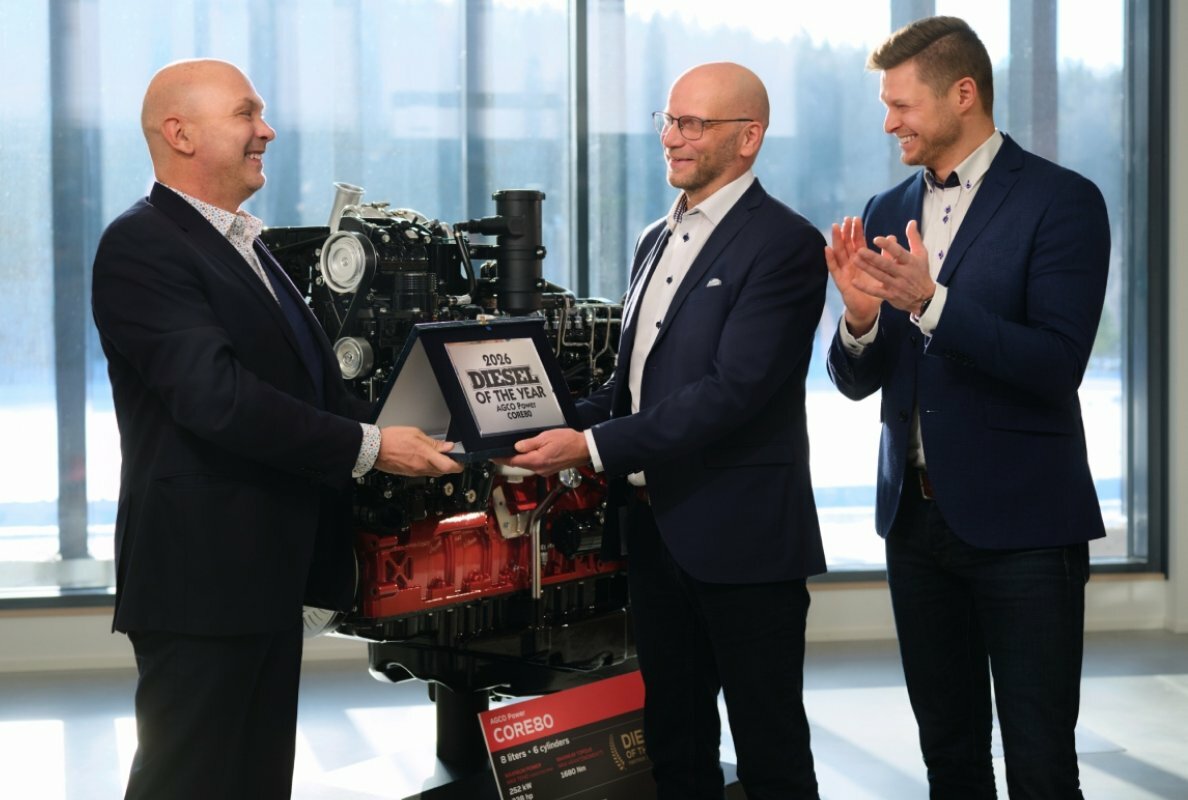
AGCO Power’s Core80 Engine Named Diesel Engine of the Year 2026
Developed and manufactured in Linnavuori, Finland, the engine represents the most advanced technology in AGCO Power’s new Core engine family. The award is among the most respected in the industry and has been recognizing groundbreaking off‑highway powertrain innovations for 20 years. According to Powertrain International Editor‑in‑Chief Fabio Butturi, the decision was straightforward: “Core80 represents exactly the kind of technical courage and innovation we want to highlight. The award truly belongs to the entire Core engine family, which opens a new era for AGCO Power across tractors and other off‑highway applications.” Designed for Demanding Off‑Highway Applications The Core engine family is built for the

R2.27bn reconstruction of Parliament’s National Assembly on track for November 2026
Three years after a blaze ripped through Parliament’s National Assembly and Old Assembly, Parliament members (MPs) received an update on the progress of the long-awaited restoration of the severely damaged buildings. MPs conducted a walkabout tour of the construction site on 5 November.The Development Bank of Southern Africa (DBSA), which has been tasked with overseeing the restoration, provided members of the Joint Standing Committee on Financial Management of Parliament with a comprehensive overview of the status of the project, which includes the reconstruction of the National Assembly and Old Assembly buildings and the refurbishment of 90 Plein Street offices. The
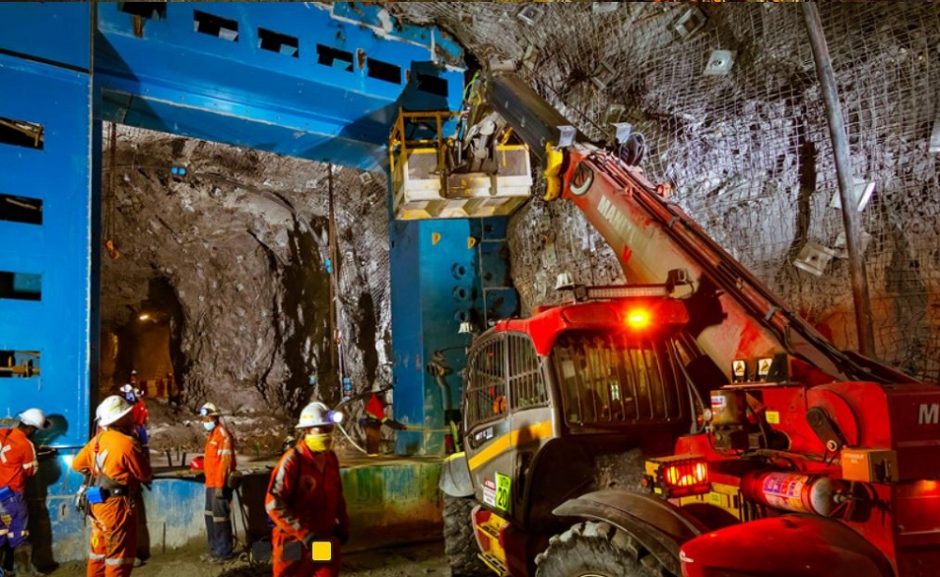
Future of construction giant Murray & Roberts hangs in the balance
The South African construction industry has raised concerns about the potential liquidation of the iconic company, Murray & Roberts. Key industry players and labour unions say this will have a profound impact on the sector. A creditor has initiated legal proceedings in the Gauteng Division of the High Court, seeking a final or provisional winding-up order against the company. In a surprising turn of events, Murray & Roberts has indicated that it does not intend to oppose this application. This comes after a period of intense financial distress for the company, which had been undergoing a business rescue process. South African engineering and construction

South Africa, ArcelorMittal Locked in Talks Over Mills’ Fate
South Africa’s government is locked in crisis talks with the local unit of ArcelorMittal SA to decide the fate of the company’s loss-making construction-steel mills, people familiar with the matter said. The government’s trade department and one of its state-development banks, the Industrial Development Corp. is in discussions with ArcelorMittal South Africa Ltd. about the potential closure of the Newcastle mill, said the people, asking not to been identified because the discussions aren’t public. The operation located in the eastern province of KwaZulu-Natal makes steel grades used in the country’s crucial automotive, mining and construction industries. On April 1, the company said the IDC — its
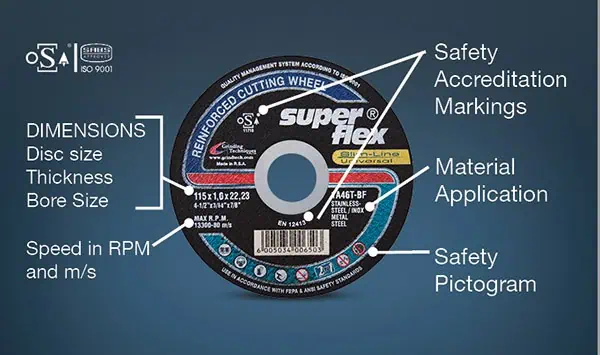
Grinding Techniques – Putting YOUR safety first with practical tips on choosing the best abrasives
With the safety of our customers a top priority, we are determined to bring the best possible abrasives to the market, manufactured to the highest safety standards at the best value for money price-point. Conventional right-angle grinders are available in various diameter sizes ranging from 100mm up to 230mm, with the 115mm and 230mm ranking as the most popular. Being a very powerful and useful tool, it can potentially be very dangerous if not used correctly. Selecting both the correct size machine and abrasive product, is essential to ensure a safe operation. If potentially trying to use a 230mm diameter
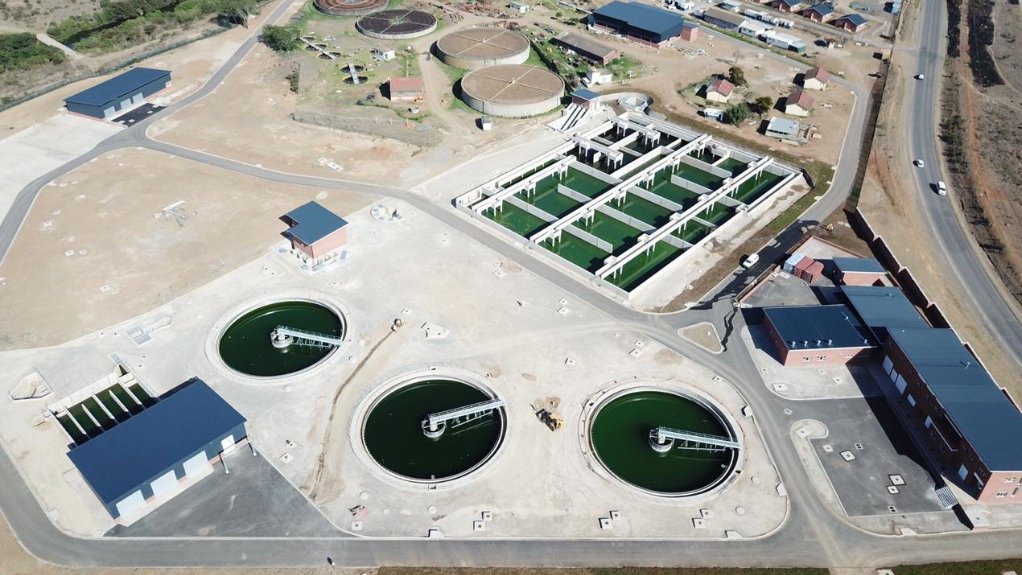
Africa’s water future: technical expertise required to bridge global innovation and local needs
While cutting-edge technologies from the developed world present promising avenues for advancing Africa’s water infrastructure, success depends not on replication, but on adaptation. Region-specific application, rooted in deep contextual understanding and guided by experienced technical teams, is essential to long-term sustainability. Without this insight, the risk of failed infrastructure, tragic health incidents and wasted investment rises sharply. True progress occurs when innovation meets local realities through thoughtful partnerships that align technical ambition with regional experience. This philosophy is at the heart of GIBB Engineering & Architecture’s work across the continent.GIBB Technical Executive, Wiero Vogelzang, says common pitfalls in implementing advanced technologies on the continent include a poor understanding of the local
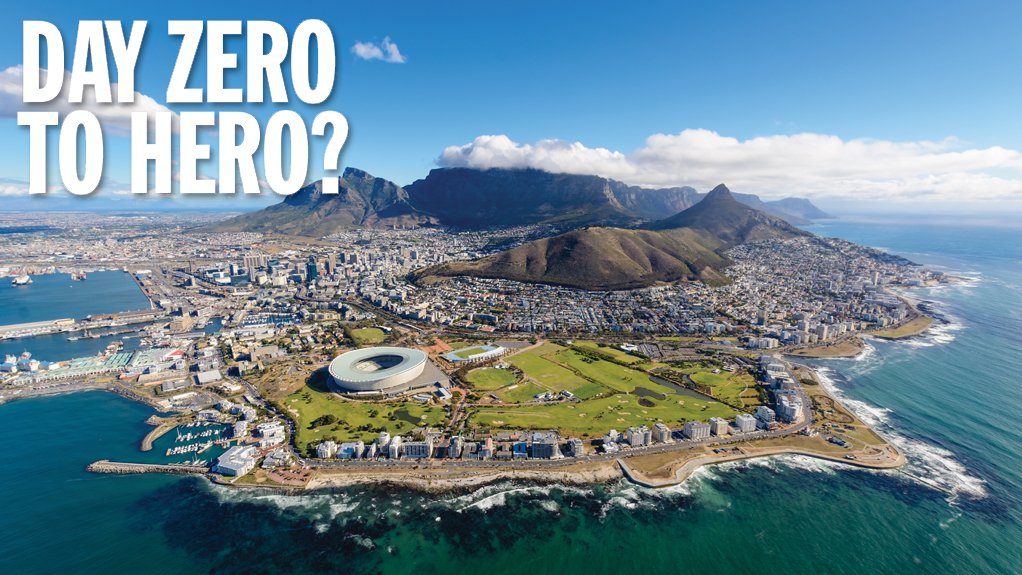
Cape Town’s R8.5bn water plan moves to tap seawater and wastewater
Seven years ago, Cape Town made global headlines for all the wrong reasons. The city faced the very real possibility that its municipal water supply would run dry amid a severe, multiyear drought, in an event dubbed Day Zero.A similar, future drought is a distinct possibility, especially amid increasing climate volatility. This time around, however, any weather-related event will be exacerbated by a recent population boom that has seen Cape Town challenging Johannesburg’s position as South Africa’s biggest city. Triggered by the events of 2017 and 2018, the City of Cape Town (CoCT) has developed what it calls its New
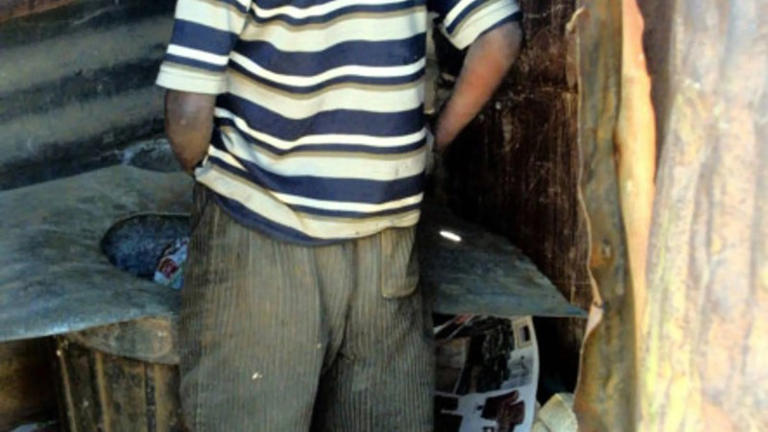
Bucket toilets remain a major issue in South Africa
The use of the bucket toilet system remains a persistent problem in several municipalities across the country. Statistics South Africa (Stats SA) reported that bucket toilets remain a thorn in the flesh of several municipalities despite the general decline. The Non-financial Census of Municipalities Report, which provides data on service delivery from the supply side, shows that while some municipalities are reducing bucket toilet use, others have recorded an increase. Stats SA said that despite the overall decline, the number of consumers using bucket toilets was still above pre-pandemic lows. The bucket toilets are provided by municipalities to communities, often as a

Beyond bricks and mortar: How SA’s construction industry can prioritise going green
South Africa’s construction industry stands at a crossroads. With mounting environmental concerns and stricter regulations, sustainability is no longer an option but an imperative. The way we build today will shape the future, determining whether our cities become part of the climate crisis or catalysts for change, writes Gareth Robb, contracts director at GVK-Siya Zama.From towering skyscrapers to sprawling residential developments, every project leaves an environmental footprint. The challenge lies in ensuring that this footprint leads to progress, not pollution. But sustainability isn’t just about minimising damage. It’s about innovation, efficiency, and long-term economic and social benefits. Think smarter, greener,