- Mon-Sun : 9.00 AM - 5.00 PM

Author: tatenda michael

Hidden threat could cost South African homeowners thousands
South African homeowners face legal risks from overhanging branches, encroaching roots, and boundary issues, which could cost them thousands of rands. Cor van Deventer, director at law firm VDM, explained that neighbours must expect certain inconveniences as urban living intensifies and properties shrink. Even so, South African law recognises that no property owner should be deprived of the reasonable enjoyment of their land because of another’s trees. “Neighbour law balances two competing principles: every owner’s right to enjoy their property without interference, and their neighbour’s equal right to health, comfort, and wellbeing on their own land,” Van Deventer said. “Accordingly,

SA economy expands by 0.8% in second quarter of 2025
South Africa’s economy expanded by 0.8% during the second quarter of 2025, following a marginal increase of 0.1% during the first quarter, mainly driven by increased output in the manufacturing and mining sectors, Statistics South Africa said on Tuesday. Eight of the 10 industries reported positive growth during the three months from April to June this year. The mining sector increased by 3.7%, contributing 0.2 percentage points to the overall growth, with the largest contributions coming from platinum group metals, gold and chromium ore. The manufacturing sector added 0.2 percentage points to the GDP number, having increased by 1.8%. “Seven of the 10 manufacturing divisions reported positive growth rates.
New ‘city’ coming to South Africa’s richest province
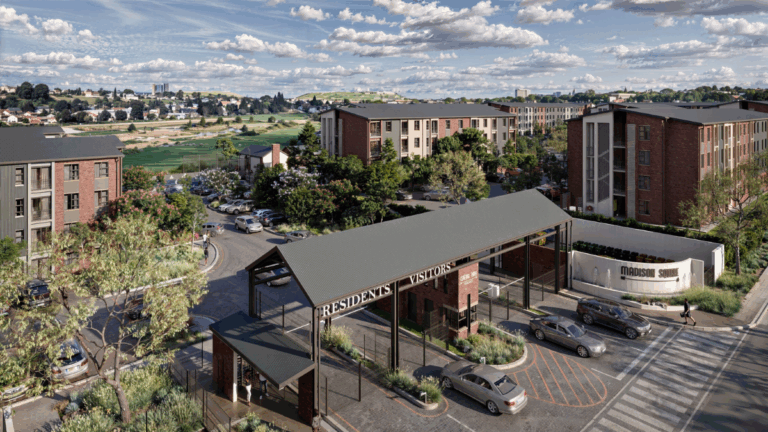
Johannesburg’s Central Park City will deliver over 3,450 affordable apartments from R595,000, offering financing incentives to make first-time homeownership more accessible. Samuel Seeff, chairman of the Seeff Property Group, said there are also great incentives for first-time buyers. The aim is to make homeownership more attainable than ever. Located centrally in the Newlands/Sophiatown area and developed by Urban Dev Property Development, the Seeff Randburg branch will exclusively handle sales. The apartments will be fibre-ready and set in multi-storey blocks. They will have a choice of one, two, or three bedrooms. It will offer a number of lifestyle and luxury amenities

Major new property development in South Africa’s richest city
Greenwood Square is a new mixed-use development in Johannesburg’s Greenside that combines luxury apartments, retail convenience, and lifestyle amenities. Stephen Whitcombe, MD of leading Johannesburg property group Firzt Realty, which has the exclusive mandate to market the development’s residential component, said it is set to redefine Johannesburg urban living. “Designed by RUIM Architects, Greenwood Square offers a carefully integrated mix of retail and residential components,” he explained. Adding to the appeal, the development is set against the backdrop of Johannesburg’s central greenbelt. This includes Emmarentia Lake, the Johannesburg Botanical Gardens and the surrounding sports and leisure amenities. “It effectively captures

Why cutting quality is cutting corners on South Africa’s future
In a construction landscape where cost pressures are rising, AfriSam’s Amit Dawneerangen is raising a red flag, cautioning contractors that cutting corners on material quality may appear cost effective in the short term, but it compromises the long-term performance and value of infrastructure. As Executive: Sales & Product Technical at AfriSam, Dawneerangen sees worrying signs of a growing trend – across both public and private sector projects – where the drive to reduce costs is resulting in widespread ‘buying down’ on material quality. Dawneerangen argues that the foundation of any durable and cost-effective infrastructure project lies in the quality of materials used. Cement, aggregates and

R80 million business rescue boost for South African construction giant
The Business Rescue Practitioners (BRPs) of Murray & Roberts Limited (MRL) have secured an additional R80 million in post-commencement finance (PCF) for the group’s rescue plan. This additional facility builds on prior PCF support secured since MRL entered voluntary business rescue on 22 November 2024. The group — which is a separate entity to Murray & Roberts Holdings — is in the process of trying to stabilise business rescue proceedings. Murray & Roberts Holdings is the ultimate holding company, while MRL is a downstream subsidiary, with several intermediate entities in between. The MRL BRPs said the funding will give them

Hidden Costs Homeowners Forget When Budgeting for Construction
When planning a building or renovation project, most homeowners focus on the big-ticket items: materials, labour, and finishes. While those are important, there are often overlooked expenses that can derail a budget if not planned for from the start. Here are some of the most common hidden costs that catch people off guard 1. Site Preparation Before construction even begins, you may need to clear land, level the site, or remove old structures. These costs vary depending on the condition of your property but can run into thousands. 2. Local Authority Fees Building plan submissions, approvals, inspection fees, and compliance

The Real Cost of Building a House in 2025
Building a house in South Africa in 2025 can be exciting, but navigating the true costs involved can quickly become overwhelming. With rising material prices, changing regulations, and regional differences, it’s essential to understand the key elements that make up the total cost of a build. Whether you’re planning a modest starter home or a high-end residence, this guide will break down what you can expect to pay—and where hidden costs often creep in. 1. Average Building Cost per m² in 2025 Note: Prices vary depending on location, material selection, complexity of design, and contractor markup. 2. What’s Included in the
South Africa’s infrastructure collapsing in front of everyone’s eyes
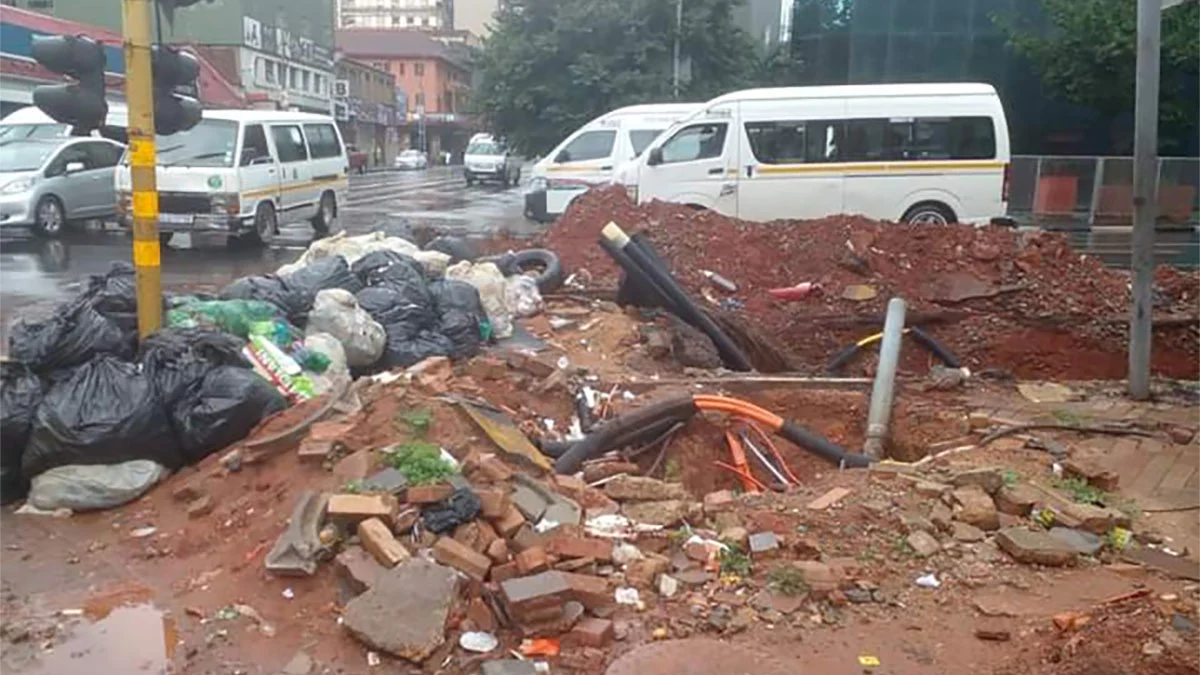
South Africa’s infrastructure is on the edge of collapse and is increasingly one of the reasons why the local economy cannot grow. Apart from the buildup to the 2010 FIFA World Cup, South Africa’s infrastructure has been poorly maintained, and little expansion has taken place to accommodate a growing population. As a result, much of the country’s infrastructure is not fit for the future and is heading towards the end of its design life. Apart from limiting the movement of goods and people, deteriorating infrastructure exaggerates the impact of catastrophic weather events. This results in exaggerated insurance claims, rising coverage

Women in Construction call on Govt for recognition, upliftment
The South African Women in Construction and Built Environment Organisation has called on the Mpumalanga government to recognise and uplift women in the construction industry. The organisation held its annual event in Mbombela, where the members discussed measures to increase women’s participation in the sector, calling for an inclusive and equitable environment to allow women to thrive and contribute to the development of the economy. Gathered under one roof to discuss bread and butter issues, the women do not want handouts, but equal opportunities to prove themselves. They shared their experiences and challenges in the traditionally male-dominated construction sector. One of the