- Mon-Sun : 9.00 AM - 5.00 PM

Author: tatenda michael

Your trusted partner in engineering and construction
For more than 25 years, Letab Projects has been a leading force in engineering and construction across Africa. Built on innovation, precision and quality, we deliver turnkey solutions that meet the highest industry standards. From initial concept and design to commissioning and final handover, our team ensures every project is executed with professionalism, reliability and attention to detail. Comprehensive, Tailored Services At Letab, we understand that no two projects are the same. That is why we offer a wide range of specialised services designed to meet the specific requirements of each client. Excellence You Can Rely On Whether your project is large-scale or highly specialised, Letab Projects is committed to delivering sustainable, safe, and innovative solutions. With a proven track record and dedicated leadership, we
Government blacklists 40 companies, and the major risk to property values in South Africa
The rand remained stable during much of Friday’s trading session as traders assessed the South African Reserve Bank’s decision to keep interest rates unchanged. It also remains sensitive to the ongoing efforts to reduce the steep US tariffs on imports from South Africa. The rand was trading at 17.34 to the dollar, only slightly different from its previous closing value. On Thursday, South Africa’s central bank decided to maintain its key lending rate at 7%, opting not to ease monetary policy further while it evaluates the effects of previous rate cuts. Investors are also closely monitoring tariff updates, especially following a meeting between
Construction activity rebounds as building plans, home loan applications rise
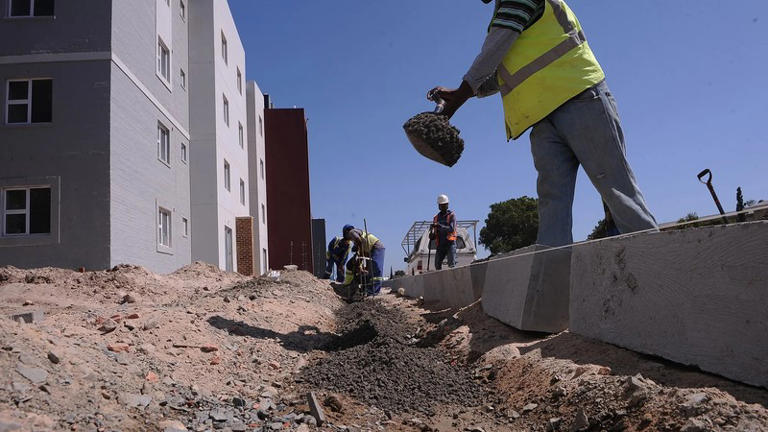
Activity in the building and construction industry in South Africa is expected to continue gaining momentum for the remainder of the year due to the upward trend in the value of building plans passed. This comes as mining and materials group Afrimat on Monday reported a sharp rebound in South Africa’s construction sector during the second quarter of 2025, with its Afrimat Construction Index (ACI) showing broad-based improvements across key indicators. Compiled by economist Dr. Roelof Botha on behalf of Afrimat, the ACI measures activity in the building and construction industry. Botha said the latest reading reflected a 6.8% quarter-on-quarter
Construction workers are dying and being injured because of negligence
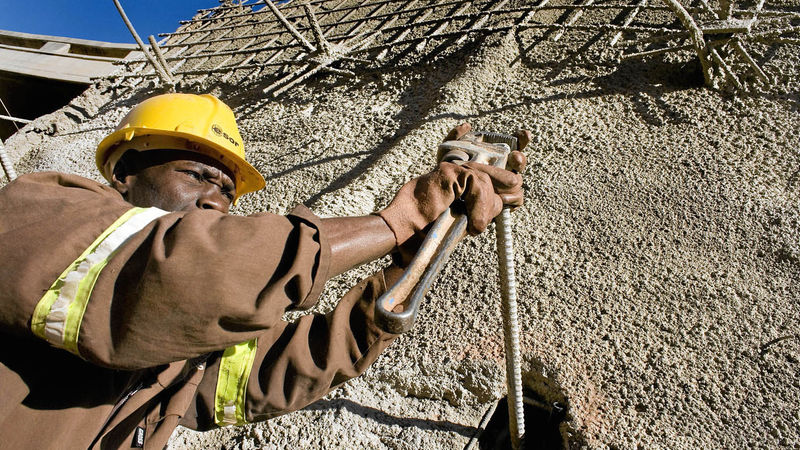
onstruction workers remain vulnerable to injury and death as health and safety regulations are not being properly enforced on sites, experts said this week. In 2024, 6 223 incidents were reported on construction sites in South Africa, including 60 fatal ones, according to the Federated Employers Mutual Assurance Company (FEM). This marked an increase from 5 986 incidents and 48 fatalities the previous year. In 2014, there were 589 incidents reported on construction sites, including 68 fatal accidents. Accident frequency on sites has stagnated at around 2% in recent years. Over the 20-year period from 2004 to 2024, the leading cause

Sub-Saharan Africa’s hotel pipeline booms with 577 new projects
Africa’s hotel industry is undergoing a transformation unlike any seen before, with 577 new hotels and resorts currently under construction across the continent, promising an addition of over 104,000 new rooms. This remarkable surge represents a 13.3% increase, far exceeding global growth rates, and is largely driven by the dynamic sub-Saharan African region. “We’re witnessing clear market signals across sub-Saharan Africa indicating significant expansion opportunities, particularly with the sector’s potential to generate $168 billion in revenue and create over 18 million jobs by 2033,” Daniel Trappler, Senior Director of Development Southern and Eastern Africa at Radisson Hotel Group said. The

Eskom says the BESS programme will fix the electricity crisis. What is it and how does it work?
South Africa’s power utility, Eskom, is once again highlighting its Battery Energy Storage System (BESS) programme, asserting that its implementation could address the country’s ongoing electricity crisis. But what exactly is this programme, how does it function, and what implications does it have for South Africans?What are Battery Energy Storage Systems (BESS)? Imagine a giant, super-smart rechargeable battery that can store electricity and release it exactly when you need it. That, in simpler terms, is a Battery Energy Storage System (BESS). It’s not just an extra gadget; it’s a key part of how we manage energy today, especially with renewable

George building collapse: Committee expresses frustration over forensic report delay
The Portfolio Committee on Public Works and Infrastructure has expressed its disappointment with the report it received from the Council for the Built Environment (CBE) and its partner entity, the Construction Industry Development Board (CIDB), regarding the collapse of the building in George. The committee met with the CBE, CIDB, and the Department of Public Works and Infrastructure (DPWI) for a briefing on the outcomes of the forensic report into the George building collapse. On May 6, 2024 the four-storey building at 75 Victoria Street in George in the Western Cape collapsed, killing 34 people. Committee chairperson, Carol Phiri, expressed
How teen-specific trade schools could end SA’s artisan, unemployment crisis
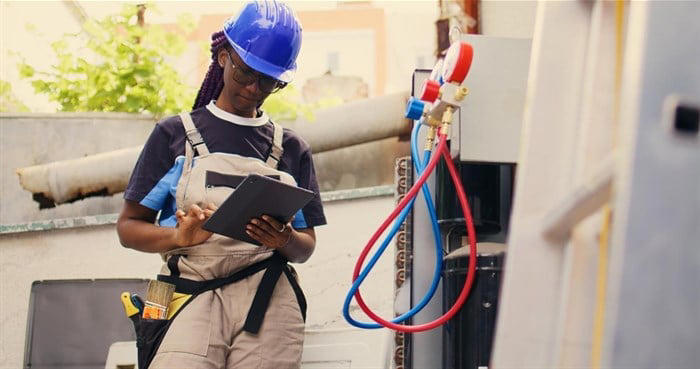
South Africa has an urgent problem hiding in plain sight. Our economy requires around 30,000 newly qualified artisans each year to keep infrastructure, construction and industry running, yet the country consistently produces far fewer than that. Image source: DC Studio from Freepik Employment and skills challenges The Department of Higher Education and Training has acknowledged that this shortfall is one of the biggest barriers to delivering on the goals of the National Development Plan. Employers across mining, energy, construction and manufacturing regularly highlight the lack of skilled artisans as one of their greatest constraints. Without enough artisans, projects stall, infrastructure weakens

Accountability questions linger 16 months after deadly George building collapse
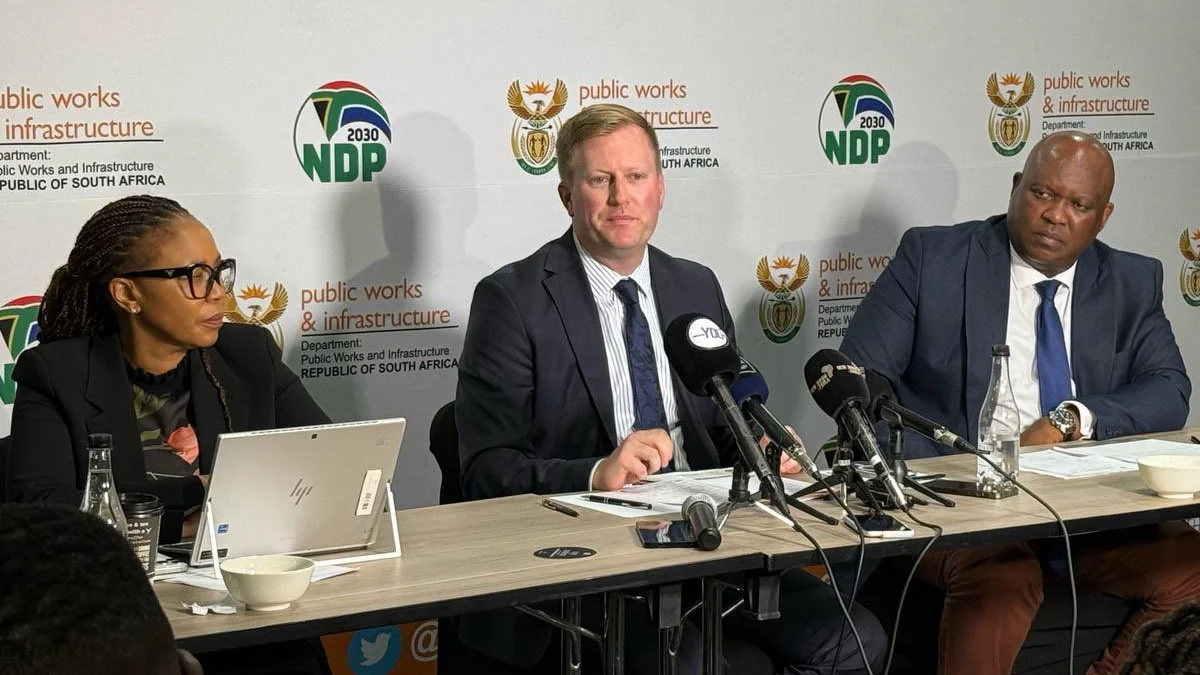
Reluctance to release the names or those responsible for the George Building Collapse in a bid to shield regulatory bodies and various departments is what political parties believe may be the reason why the answers have not been delivered 16 months after the tragedy. The Portfolio Committee on Public Works and Infrastructure announced that they did not receive the full forensic report due to its sensitive nature. The Victoria Street tragedy on May 8, 2024 claimed the lives of 34 people and left 28 injured. During a media briefing held in Cape Town this week, between DPWI, the Council for

IFC and TUHF join forces for sustainable urban transformation in South Africa
Marking an important milestone for the Trust for Urban Housing Finance (TUHF), the financier has partnered with the International Finance Corporation (IFC) to expand affordable housing and advance green construction in South Africa. Source: Pexels The collaboration strengthens TUHF’s impact agenda, taking its green finance initiatives to new heights while positioning it as a leading impact financier delivering social and environmental outcomes. IFC’s up to R960m (equivalent to $54m) loan to TUHF will drive inclusive, sustainable urban development by supporting the company to finance mostly small and medium enterprises (SMEs) to develop affordable green-certified rental buildings in South Africa’s inner cities